

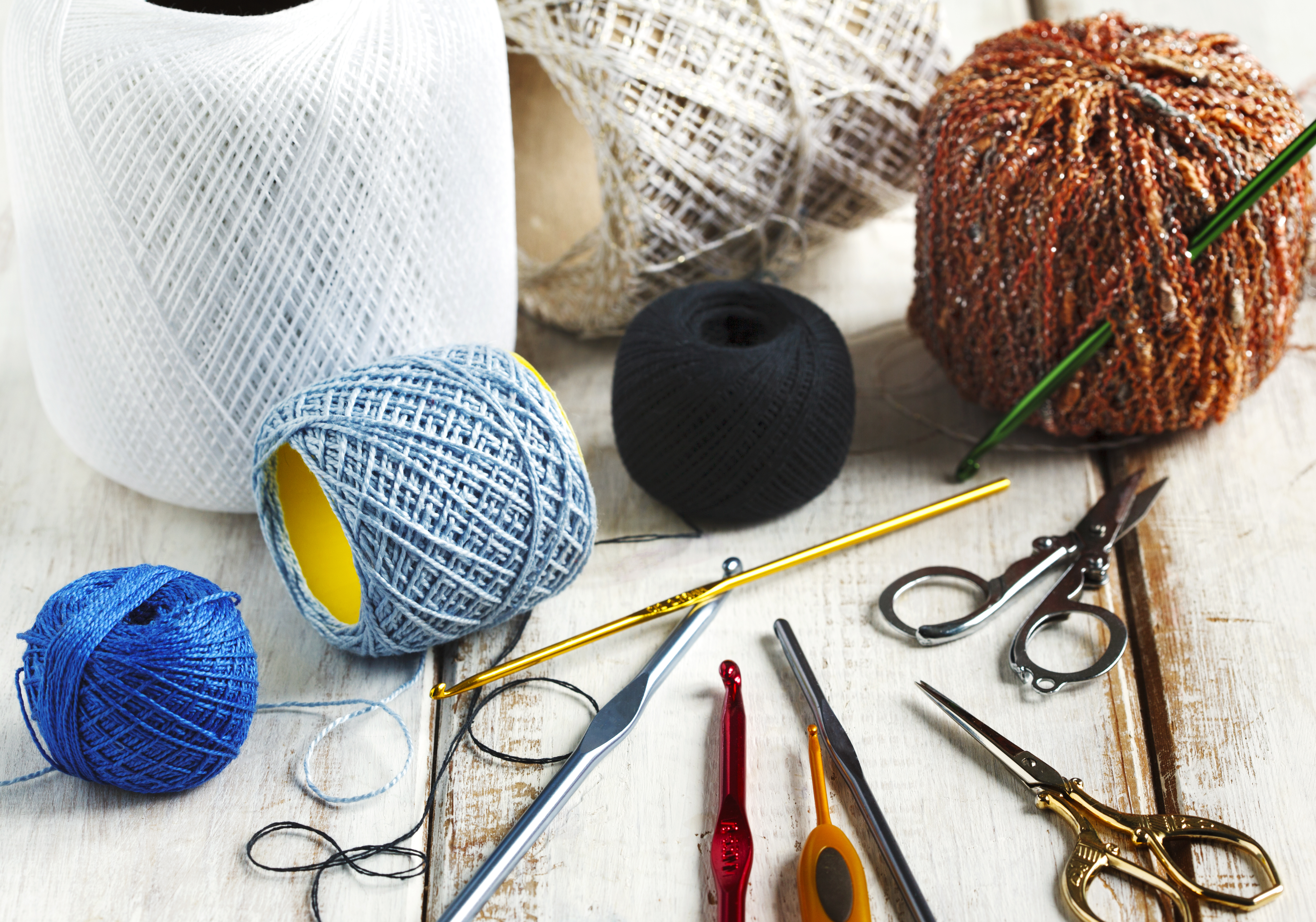

At the start of any crochet project, we face the question as to which type of yarn to use best. Personally, I prefer to buy my yarn online, which saves me much time but makes it even more important to look for the right yarn characteristics depending on the crochet craft. A light, soft yarn for pillow-like crafts; a thick, fluffy yarn for cosy blankets; robust, bulky yarn for crochet bags; soft, thin for small amigurumis… you basically always know in advance what you want, but as of the yarn characteristics, how do you find the best yarn for your particular project?
This short guide gives you insights about the different fabrics and yarn weights, and gives you tips on what to look for with regards to your crochet crafts.
When deciding on your preferred yarn, you go through the following three criteria:
- how thick should your craft be (yarn weight, indicating the thickness): the higher the yarn category (from lace to jumbo…), the larger your project for the same number of stitches. Fluffier crafts such as huge blankets require a much higher yarn weight, than small amigurumis. A higher yarn category does not necessarily mean a bulkier, less softer (itchier) yarn, though. The softness of the yarn depends on the fiber type.
- how soft should your craft be (fiber types): the softest yarns are 100% cotton or a blended yarn with a high content of Merino, Mohair or Alpaka (both are slightly itchier, though, and less robust, but very warm), or Polyamid (lower yarn weight). More expensive, soft yarns contain silk or cashmere. Pure wool is very itchy and also very tear-resistant to crochet. If you look for a yarn to create small amigurumis, you should preferably use a fine cotton (100% cotton) with a recommended hook size of 2.5-3.5 mm (note: the lower the hook size with respect to the actual recommendation, the denser the stitches become). If you plan on doing finger-sized crafts or filet crochets, then a crochet thread is just perfect with a hook size of less than 1.5 mm. Much of the yarn quality also depends on the fiber processing: the softest cotton fiber is combed (EN)/gekämmt (DE) (this reduces fine strands around the natural fiber to make it softer and even), gassed (EN)/gasiert (DE) (to make the yarn smooth and less fibrous) and mercerized (EN)/ mercerisiert (DE) (to make the yarn firmer).
- how even do you need your yarn to be: uneven yarn types are called bouclé, tweed or fancy yarn which are curly types of yarns, typically harder to be crocheted for beginners, and less resistant but best to be used for decor crafts or the hair in your amigurumis.
The table below includes a rough metrics’ indication taken from yarnstandards.com, with additional information about ideal projects to be used per yarn weight, selected known brands as well as typical fiber types per yarn weight.


* the hook sizes displayed are only recommendations. Depending on how dense or loose you want your work to be, you can choose a different hook size than recommended
Fiber Types
The fiber type describes the most important characteristics of your yarn: it indicates the softness and thickness of the material. Yarn fiber types can be classified into the three categories: animal natural fibers, cellulosic natural fibers (plants), and synthetic fibers (chemical).
Animal Natural Fibers (preferably for clothing and decor)
- Wool: is next to cotton the most popular yarn used; it is cheap, easy to knit and crochet with, durable and resistant to moisture (if used in clothing), but it is tendentially also very itchy (new wool). High-quality wool is made of Angora (a silky-soft, light, incredibly warm and elastic fiber), cashmere (a very fluffy, high-maintenance and low-resistance fibre that does not breathe well) and camel hair (Mohair; slightly itchy, warm, very soft and light fiber, it is very elastic and due to its fine texture hard to knit/crochet). Unfortunately, wool crafts can pill over time and it should not be used for allergic people.
- Merino wool: the fluffy, super soft version of normal wool and a great (cheap) alternative for cashmere. Additionally, it doesn’t cause allergic reactions.
- Alpaca: fine, soft, often glossy and curled and more solid than sheep wool. Alpaca is best used for fine clothing, jackets, blankets or soft toys. Usually, Alpaca yarn is a blended yarn containing wool, cotton and/or silk. Pure alpaca is expensive and some people find it slightly itchy.
- Cashmere: a fibre that is known to be very fluffy, high-maintenance, low-resistant and rather expensive. Its texture is popular for warm pullovers, expensive scarves and gloves.
- Silk: precious and with a soft wearing comfort with, however, a static cling; can be used in chic scarves or as a material add-on to luxurious winter clothing. Silk is often combined with cotton and mohair, latter gives the fabric a hairy structure that is particularly nice for decorative trim.
Cellulosic Natural Fibers (preferably for amigurumis and small crafts)
- Cotton: this fiber type is a soft, non-scratchy, inelastic material, best used for amigurumis, baby- or summerly clothing. It is easy-to-clean and perfect for allergic people. The longer the staple length of the cotton plant, the higher the cotton quality; particularly the cotton fibers from Egypt, Peru or the Sea Island (US) are known for their best quality.
- Line: this fiber type is very resistant and can be soft as well, if it is not mixed with wool. Line yarn is best to be used for clothing or soft pillows.
Synthetic Fibers
- Polyacryl: very cheap fiber used as an alternative to wool; it’s great for beginners, but due to its low quality, it should not be a long-term investment in your fiber collection
- Polyamide (Nylon): this fiber can be processed differently, from a very thin and shiny fiber, to light and fluffy, from an even to bouclé type…

